The hills had more to say.
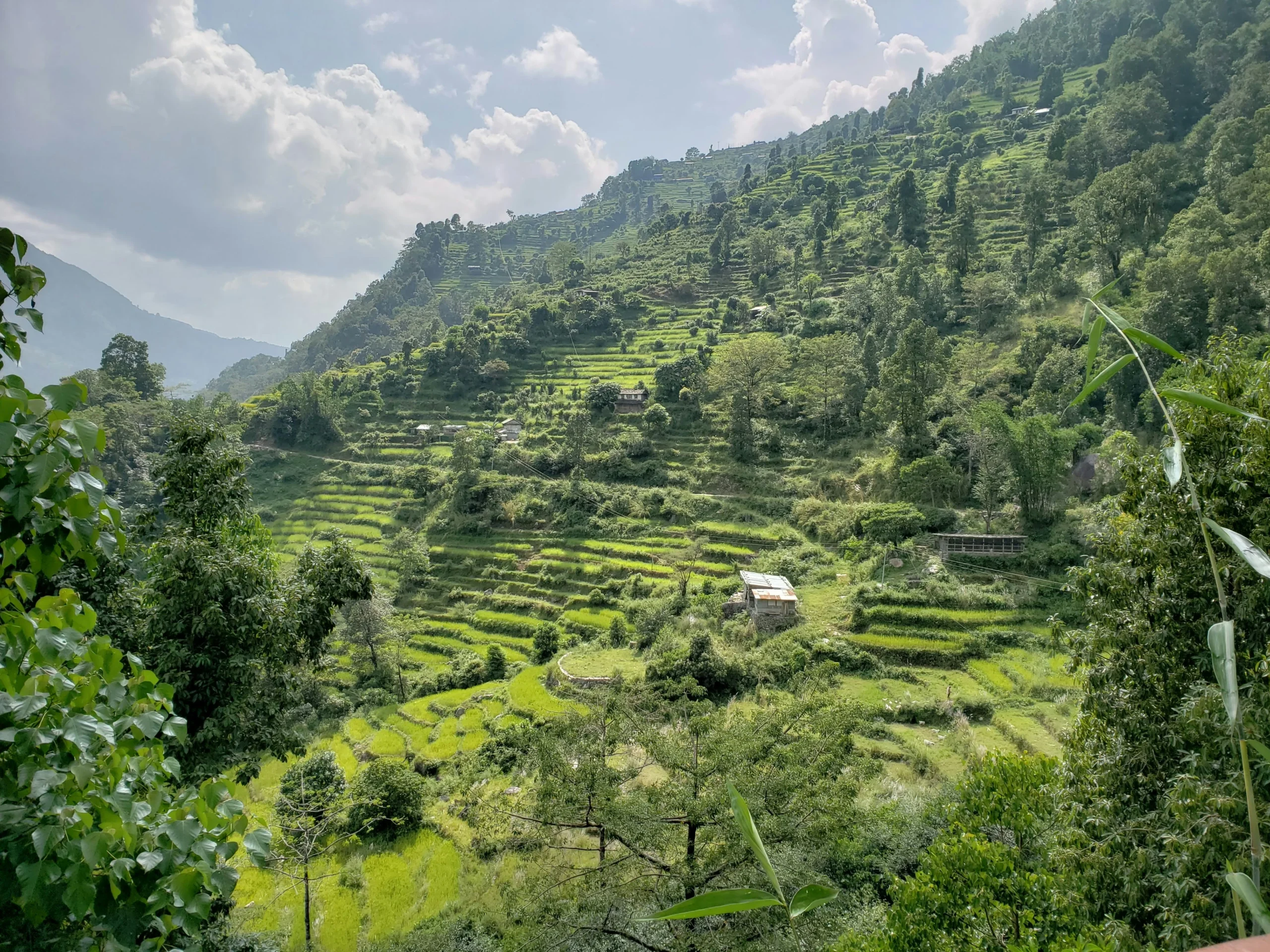
Farmstel is rooted in Mukteshwar, a small hill town in the Kumaon range of Uttarakhand, sitting at 2,200 metres. Up here, the growing conditions are unlike anywhere else in India — clean air, loamy mountain soil, long cold winters that slow everything down in ways that turn out to be good for flavour, potency, and purity.
“We didn’t start as a business. We started as a question: why is everything grown here either sold at throwaway prices or never sold at all?”
Where We Come From
Sunderkhal, Mukteshwar
AN Parvatiya Products
farmstelin@gmail.com
Kumaon has been farmed for centuries. We’re just the latest chapter.
The terraced farms of Kumaon are ancient. They were carved into the hillsides by hand, passed down through families, shaped by the same seasonal rhythms — the spring sowing, the summer growth, the brief autumn harvest window before the cold sets in.
Apricot has always grown here. So have mustard, flaxseed, and a quiet variety of herbs that most of India has never tasted. But Kumaon’s distance from cities, its difficult terrain, and the lack of cold-chain infrastructure meant that what grew here mostly stayed here — consumed locally or sold to middlemen at prices that made farming feel pointless.
"A farmer in Mukteshwar growing the finest apricots in the country might earn less per kilo than a wholesale trader in Delhi who never saw the tree."
That gap — between what’s grown and what it’s worth — is what Farmstel exists to close.
How Farmstel Came to Be
A slow beginning. The only kind that lasts here.

We spent the first years simply farming — learning what Mukteshwar's soil could do, which herbs thrived, which oils pressed cleanly, which harvests were worth building around. No packaging. No products. Just the land.
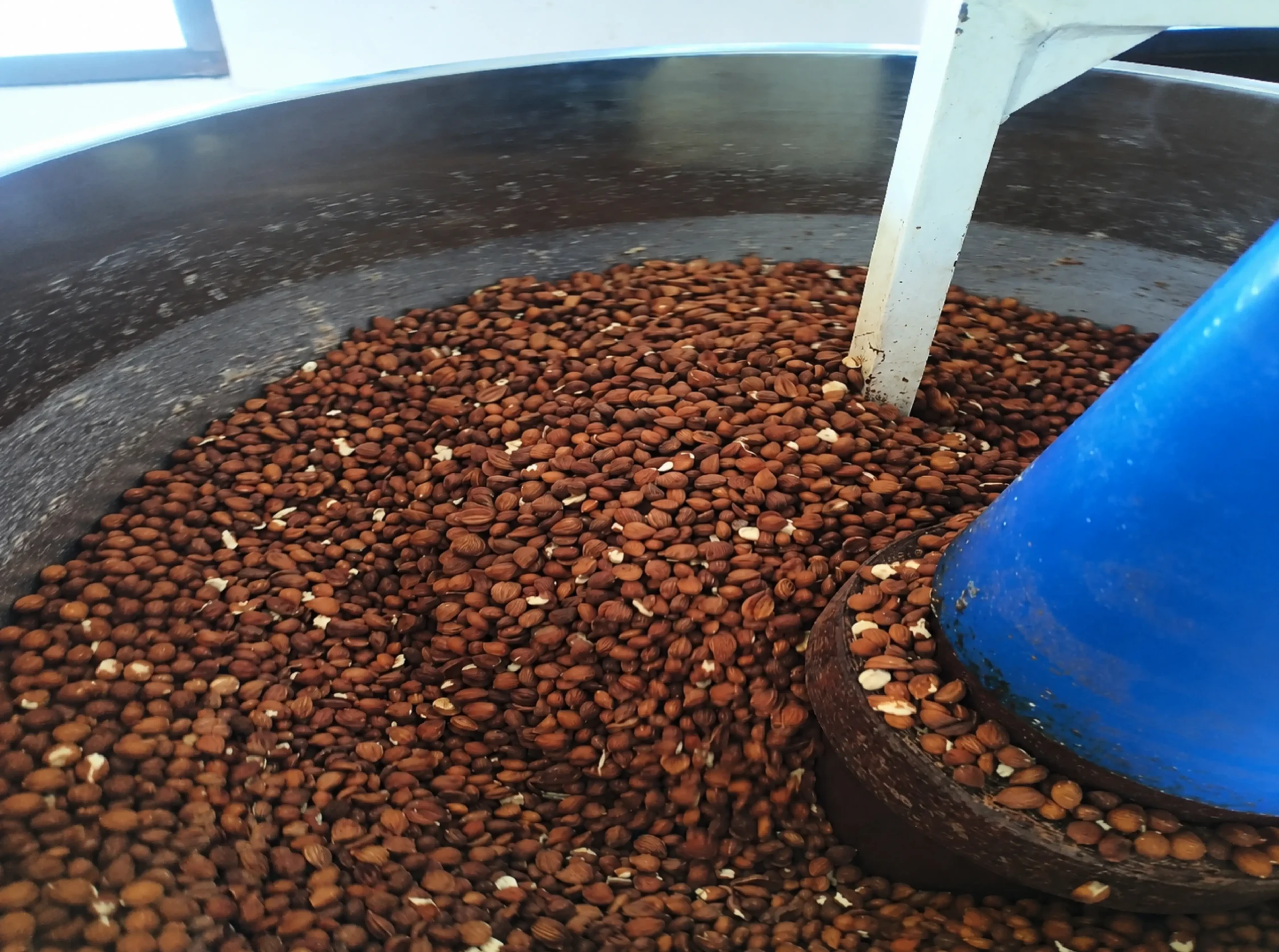
We chose cold-press extraction deliberately — not because it's trendy, but because it's honest. No heat, no solvents, no refining. The oil that comes out looks, smells, and behaves exactly like what went in. Shorter shelf life. No apologies.
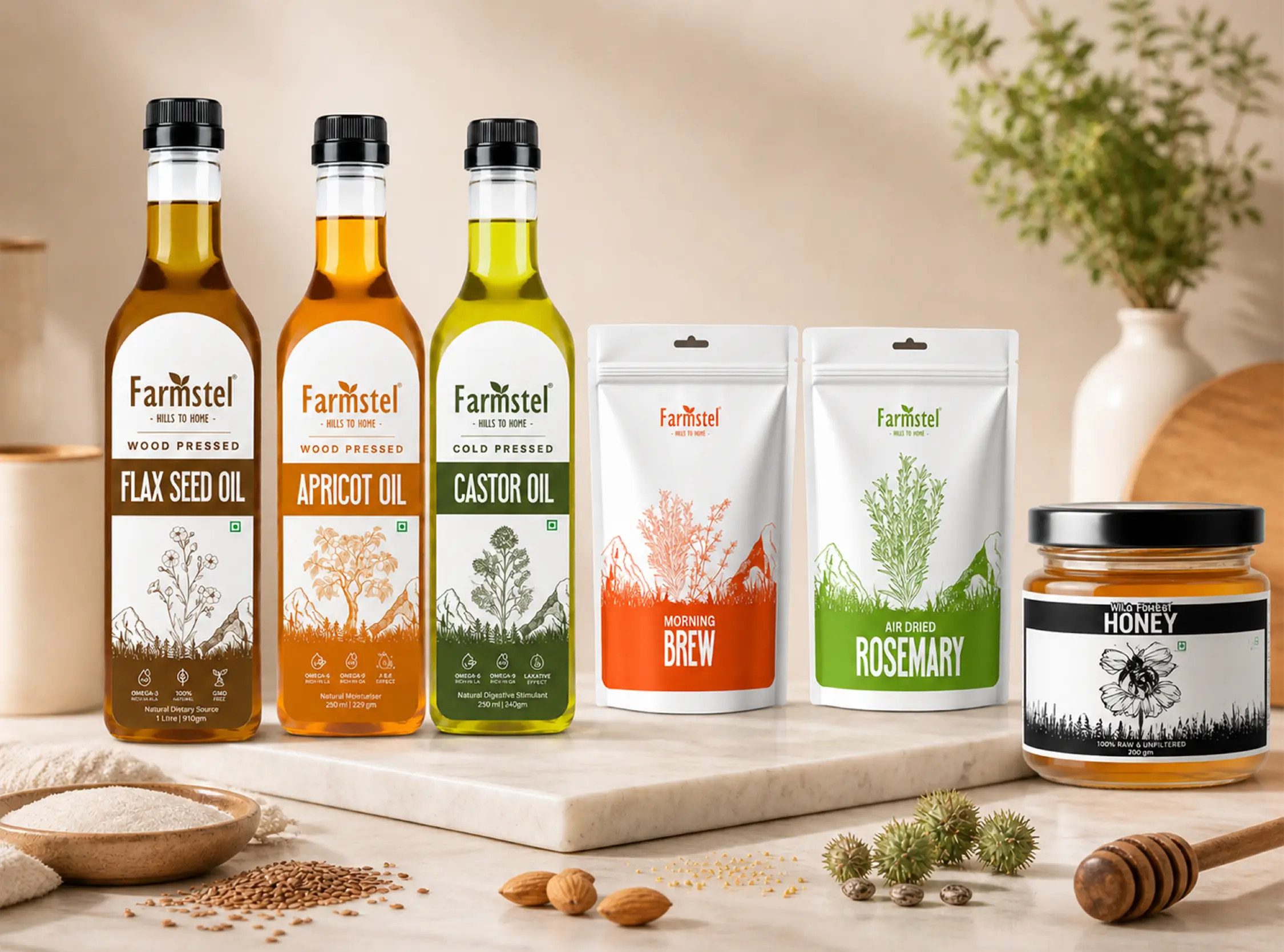
Today we make cold-pressed oils, raw honey, and dried mountain herbs — all sourced from Mukteshwar and the surrounding Kumaon farms. Small batches. Real labels. Real people behind every product.
The Challenges We
Work Within
What farming in the mountains actually means.
No chemical
shortcuts
The soil in Mukteshwar has been farmed for centuries without synthetic inputs. We intend to keep it that way. This limits yield. We've accepted that.
No chemical
shortcuts
The soil in Mukteshwar has been farmed for centuries without synthetic inputs. We intend to keep it that way. This limits yield. We've accepted that.
Everything is done
by hand
Tractors don't fit on terraced hillside farms. Harvesting, sorting, pressing — it's labour-intensive work done by people who know these fields personally.
Distance from the
market
We're 350km from Delhi. That distance is the whole challenge — and why we built Farmstel: to close the gap, honestly.
The Place Behind the Product
Mukteshwar isn’t just our address. It’s our ingredient.
At 2,200 metres, the air is different. Colder, cleaner, thinner. The growing season is shorter, which forces plants to concentrate — more essential oils in the herbs, denser kernels in the apricots, sharper flavour in the mustard. The altitude is not incidental. It’s central.
Mukteshwar also sits in the Kumaon Himalayas, in one of India’s most biodiverse mountain zones. The variety of herbs that grow here — rosemary, chamomile, nettle, wild turmeric, stevia — is unusual. You won’t find this combination at sea level.
Mukteshwar
inputs used
the farm
cold-press
A Note From Us
“We’re not trying to be the biggest farm brand in India. We’re trying to be the most honest one from Mukteshwar. If you can taste the difference, we’ve done our job.”
Thank you for finding us. Every order helps keep a farm in the hills running — and keeps one more family from having to leave.
— The Farmstel team, Mukteshwar, Uttarakhand
From Our Hills to Your Home
Curious about our sourcing or process? Let’s start a conversation—we’d love to share more.